Common Mistakes When Buying Dance Shoes (And How to Avoid Them)
Dance Shoes
Dancing is freedom, music in the body, history in your feet and emotion in every step. But there’s something many people discover too late: not every shoe is made for dancing.
Choosing the wrong dance shoes doesn’t just affect your style — it impacts your comfort, your technique… and even your desire to get back on the dance floor.
Here are the most common mistakes when buying dance shoes — and how to avoid them — whether you’re looking for women’s dance shoes or men’s dance shoes, especially if you love swing, vintage style and social dancing.
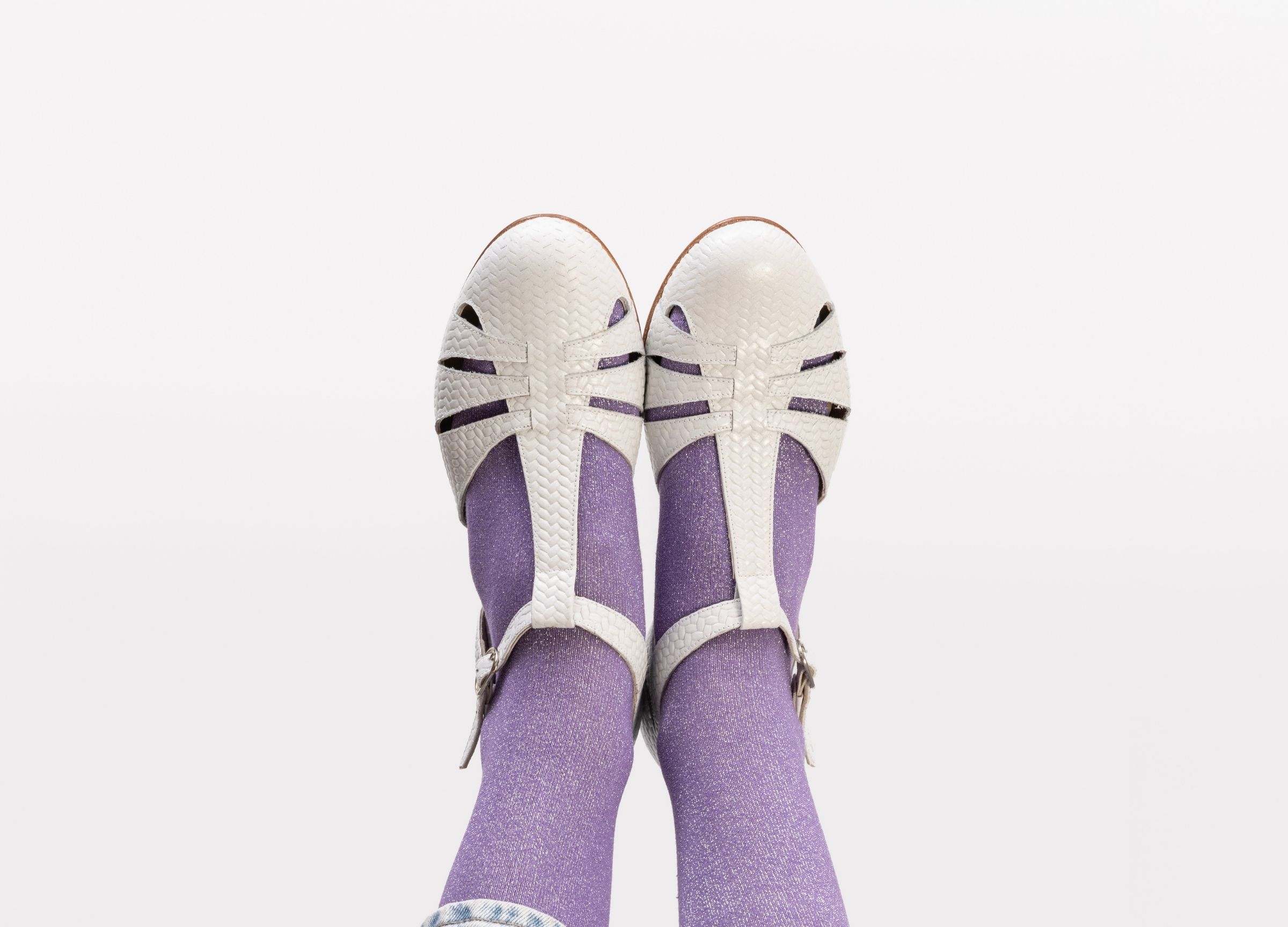
The balance between vintage aesthetics and performance engineering
1. Thinking any nice-looking shoe will work for dancing
This is the number one mistake. Many people start dancing wearing regular street shoes, sneakers, or rigid shoes with no flexibility. The problem is that they’re not designed to turn, slide or follow the natural movement of your foot.
A proper dance shoe delivers:
Total movement control without restrictions.
Optimized structural support for smooth turns and pivots.
Technical impact absorption to protect your joints.
In styles like swing, lindy hop or rock & roll, picking a purpose-built design makes a massive difference.
2. Choosing based only on looks instead of functionality
Yes, design matters — a lot. But with specialized footwear, beauty must go hand in hand with performance. A common mistake is falling in love with a pair without carefully checking the sole type, the flexibility of the metatarsal area, or actual foot support. In reality, the best shoe is the one you don’t even notice while dancing.
Flexibility and technical properties under review
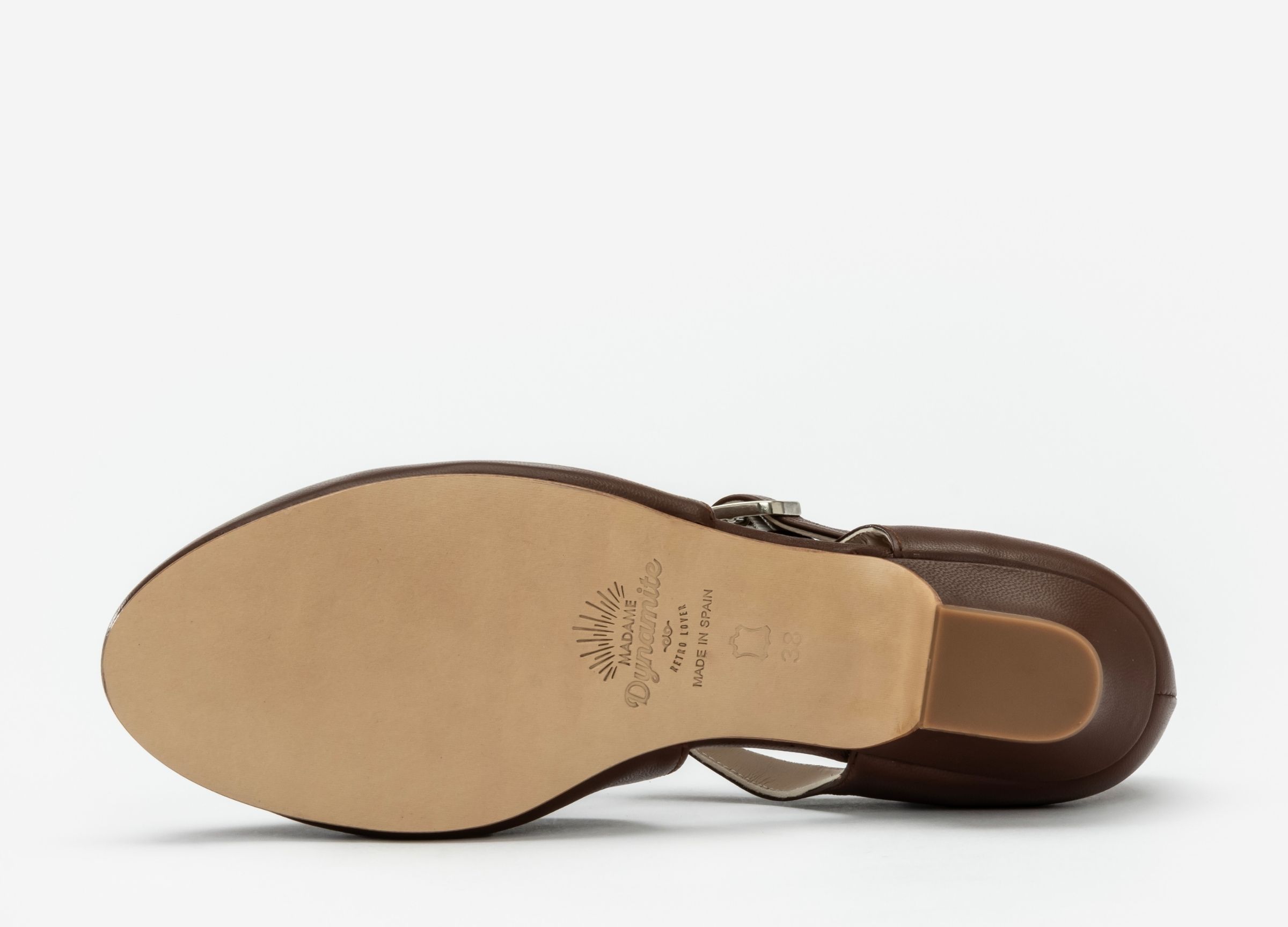
3. Not choosing the right sole for your dance style
The sole changes everything. One of the biggest mistakes when buying dance shoes is ignoring where and how you dance on a regular basis:
Too slippery soles generate an immediate lack of stability on polished floors.
Too grippy soles block turns and put strain on knees and ankles.
Too stiff soles result in faster muscle fatigue.
For swing and vintage styles, the ideal sole allows you to slide with control — not slip uncontrollably or stick to the wooden floor.
4. Buying the wrong size “because they’ll stretch”
No. This mistake is more common than you think. Dance shoes should feel secure and properly fitted from the beginning — not tight, not loose.
Shoes that are too big cause a complete loss of stability, painful blisters due to friction, and reduced control. Conversely, shoes that are too small turn every single song into pure torture.
5. Not considering the type of dancing you actually do
Training for hours, dancing occasionally at a social mixer, or going out dancing all night places different demands on your feet. In the swing world, many dancers look for a versatile shoe that is truly made for dancing, remains comfortable for walking, and matches an authentic vintage style. Buying without thinking about this often leads to shoes that end up forgotten in the closet.
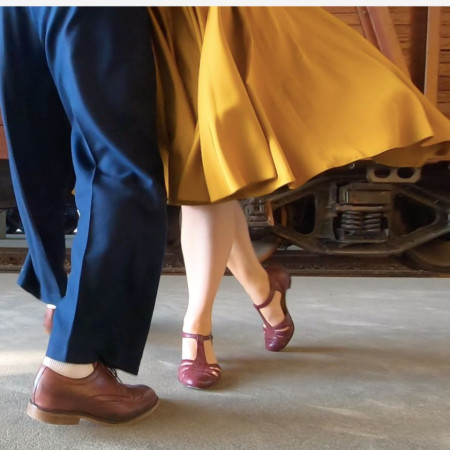
Social dances: the ultimate environment to test comfort and response
Women’s Dance Shoes: Elegance, Comfort and Freedom
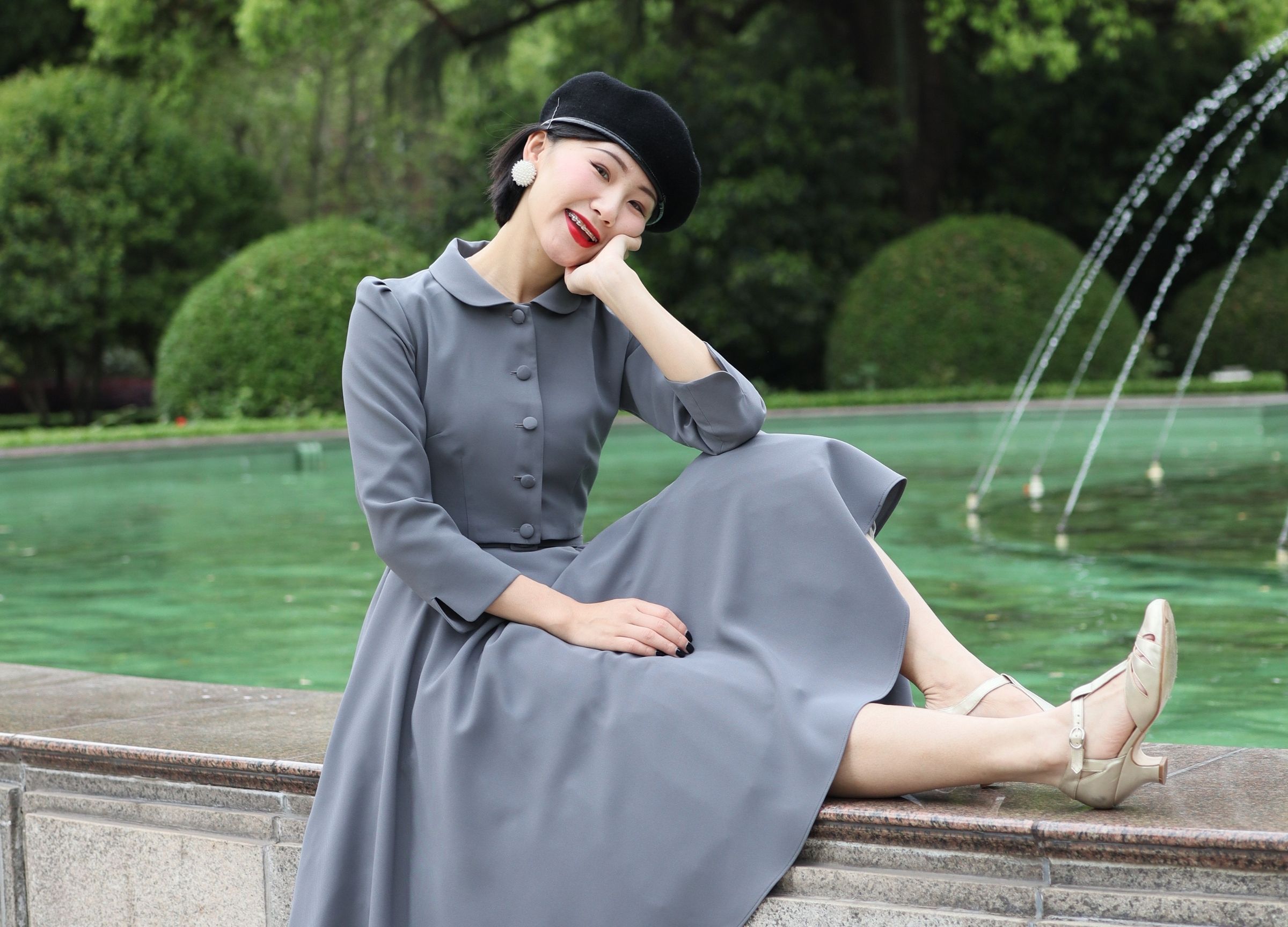
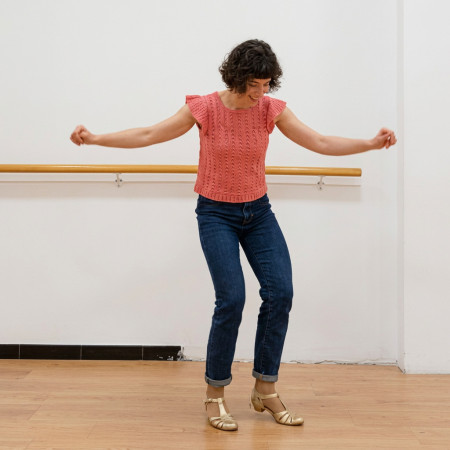
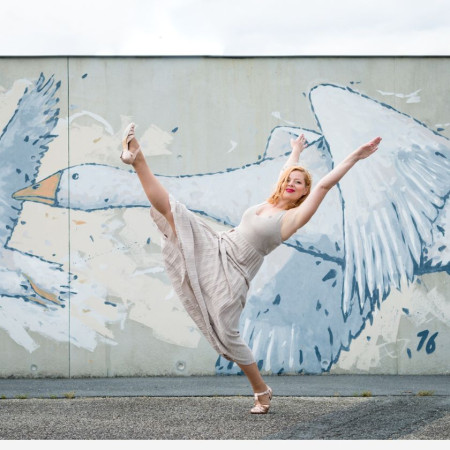
Women’s dance shoes shouldn’t force you to choose between looking good and feeling good. A mindful design enhances your silhouette without strain, supports natural movement, and lets you dance for hours. In swing, shoes aren’t just accessories — they’re a direct part of your body language.
Feminine lines engineered for authentic movement
Men’s Dance Shoes: Control, Style and Personality
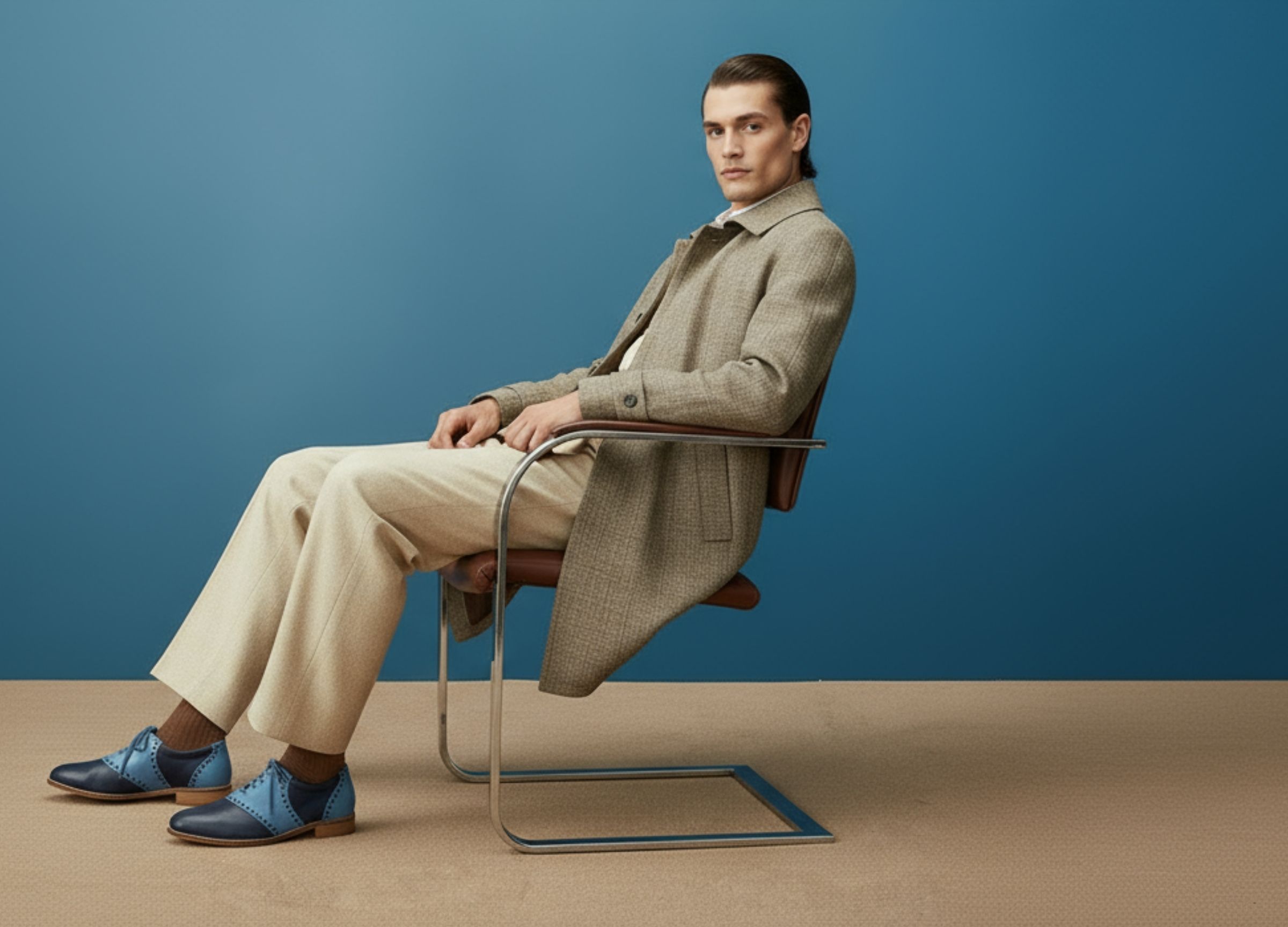
Men’s dance shoes come with their own pitfalls: excessive rigidity in the leather, soles designed only for formal street wear, or a total lack of flexibility. To dance swing properly, shoes must allow for rhythm, bounce and fluidity with every weight transfer.
So… how do you avoid all these mistakes?
The key is choosing shoes specifically designed for dancing, built for real movement, real music and real emotion. Look for creations that respect your body, align with your style, and tell a story — not just complete a superficial look.
Discover our swing-inspired vintage dance shoes, handcrafted for true dancers who live dance as a form of self-expression.
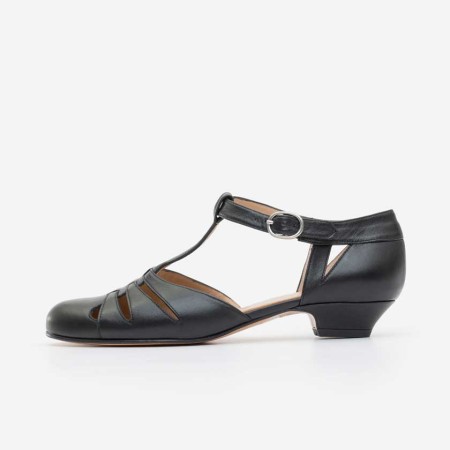
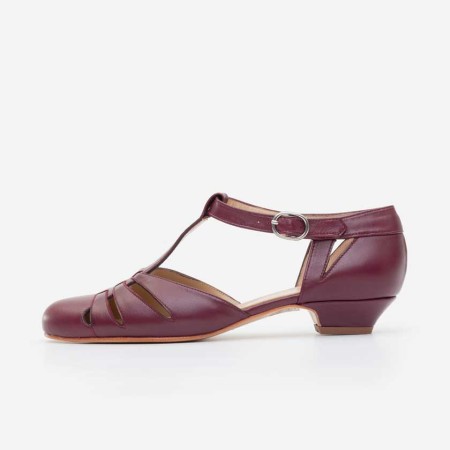
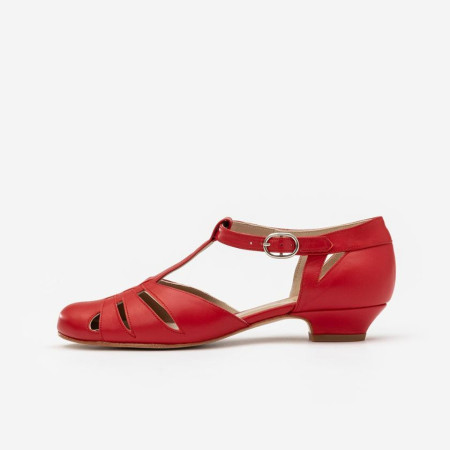
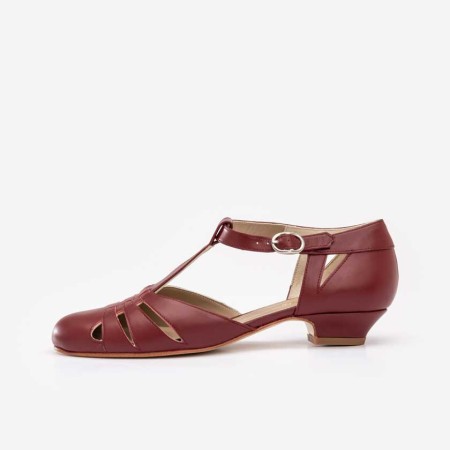
2 cm heel (excluding the 5 mm cap)
100% leather
Gel comfort insole
Leather sole
Hypoallergenic and nickel-free Zamak buckle
Free shipping in 24-48 hours to mainland Spain, the Balearic Islands and Portugal
Pay in 3 interest-free installments with Klarna
2 cm heel (excluding the 5 mm cap)
100% leather
Gel comfort insole
Leather sole
Hypoallergenic and nickel-free Zamak buckle
Free shipping in 24-48 hours to mainland Spain, the Balearic Islands and Portugal
Pay in 3 interest-free installments with Klarna
Low heels-Style and comfort at every step
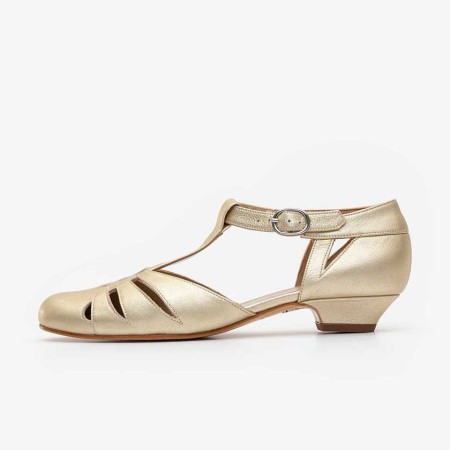
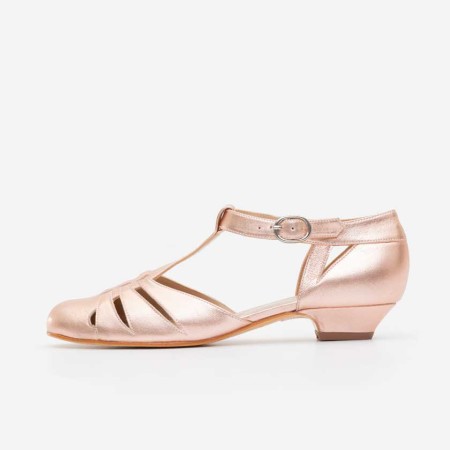
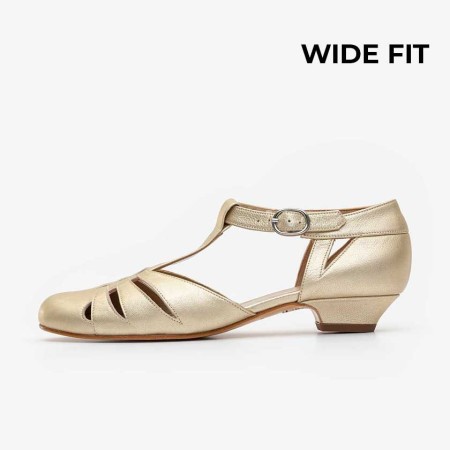
Elegant retro design and a 2 cm heel, the Mini Dynamite Rose Gold are the perfect choice for dancers looking for a low heel without sacrificing style. Made in Spain, with a gel comfort insole that provides extra comfort, ideal for long dance sessions and with its leather sole your "slide" will be perfect
Perfect...
2 cm heel (excluding the 5 mm cap)
100% leather
Gel comfort insole
Leather sole
Hypoallergenic and nickel-free Zamak buckle
Free shipping in 24-48 hours to mainland Spain, the Balearic Islands and Portugal
Pay in 3 interest-free installments with Klarna
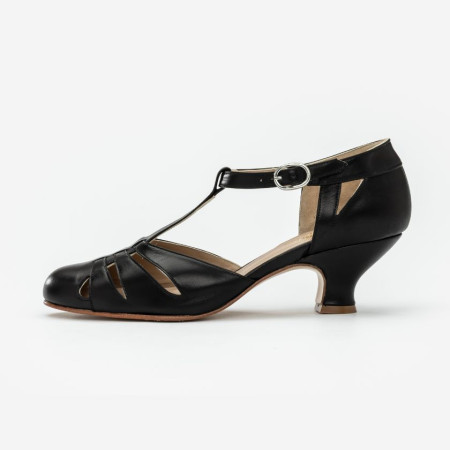
4.5 cm heel (excluding the cap which measures 5 mm.)
Made with 100% Mestizo leather.
Cushioned gel comfort insole.
Leather sole for perfect sliding.
Hypoallergenic and nickel-free Zamak buckle.
Free shipping in 24-48 hours to mainland Spain, the Balearic Islands and Portugal.
Pay in 3 interest-free installments with Klarna
2 cm heel (excluding the 5 mm cap)
100% leather
Gel comfort insole
Leather sole
Hypoallergenic and nickel-free Zamak buckle
Free shipping in 24-48 hours to mainland Spain, the Balearic Islands and Portugal
Pay in 3 interest-free installments with Klarna
2 cm heel (excluding the 5 mm cap)
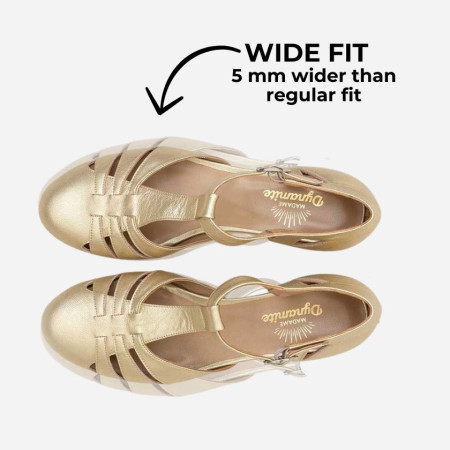
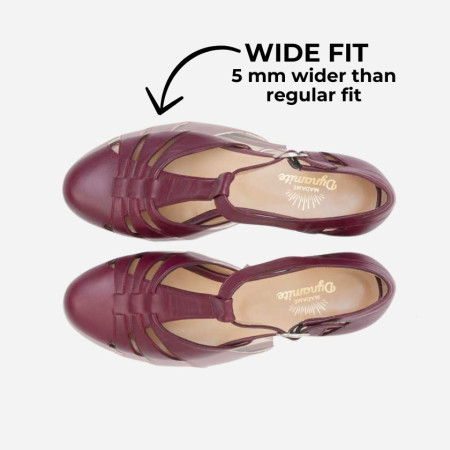
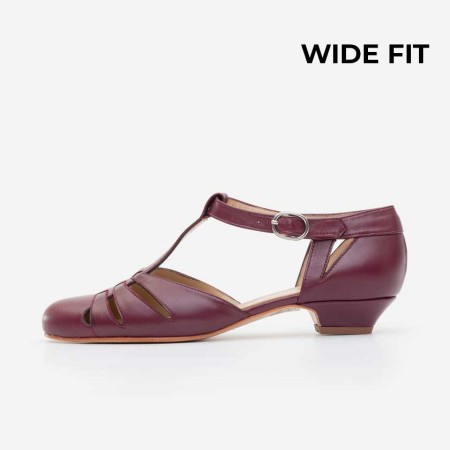
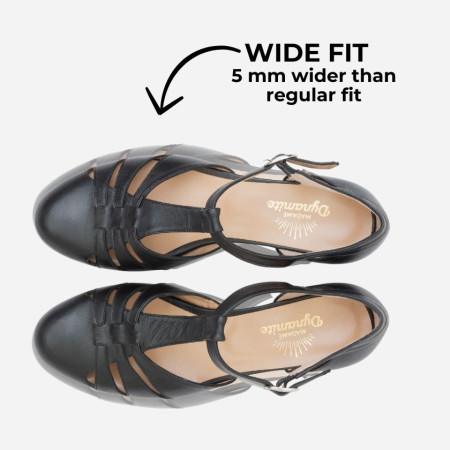
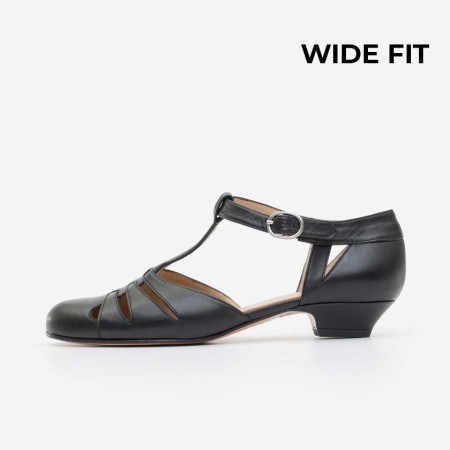
Wide last (5 mm more in total volume)
100% leather
Gel comfort insole
Leather sole for a perfect glide
Hypoallergenic and nickel-free Zamak buckle
Free shipping in 24-48 hours to mainland Spain, the Balearic Islands and Portugal
Pay in 3 interest-free installments with Klarna
2 cm heel (excluding the 5 mm cap)
Wide last (5 mm more in total volume)
100% leather
Gel comfort insole
Leather sole
Hypoallergenic and nickel-free Zamak buckle
Free shipping in 24-48 hours to mainland Spain, the Balearic Islands and Portugal
Pay in 3 interest-free installments with Klarna
2 cm heel (excluding the 5 mm cap)
Wide last (5 mm more in total volume)
100% leather
Gel comfort insole
Leather sole
Hypoallergenic and nickel-free Zamak buckle
Free shipping in 24-48 hours to mainland Spain, the Balearic Islands and Portugal
Free returns to mainland Spain, the Balearic Islands and Portugal
Pay in 3 interest-free installments with...

Comments (0)